
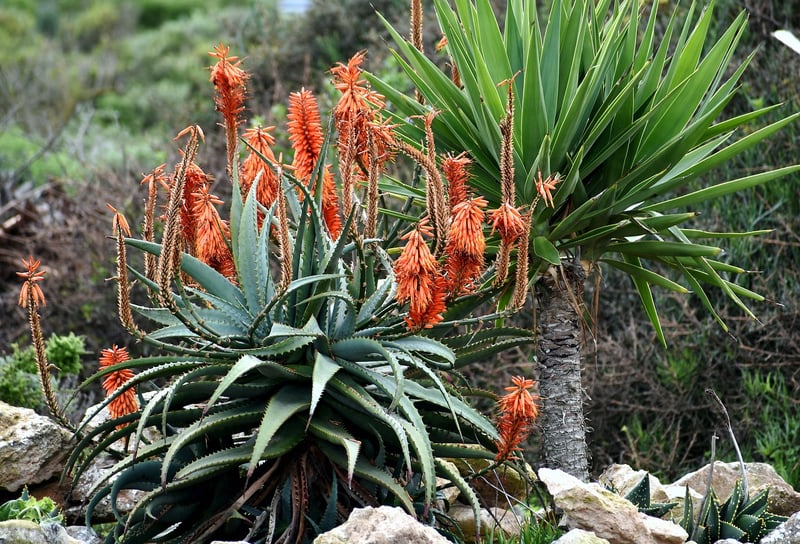
Implementing Water-Saving Techniques in Design + Drought-Resistant Landscaping
Introduction
In today's world, where water scarcity is a growing concern, implementing water-saving techniques in design and opting for drought-resistant landscaping can play a significant role in conserving this precious resource. By incorporating these practices, not only can we reduce water consumption but also create sustainable and beautiful spaces.
Water-Saving Techniques in Design
Design plays a crucial role in water conservation. Here are some effective water-saving techniques that can be integrated into architectural and interior design:
- Installing low-flow fixtures such as faucets, showerheads, and toilets to minimize water usage.
- Utilizing greywater systems to recycle water from sinks, showers, and laundry for irrigation purposes.
- Incorporating rainwater harvesting systems to collect rainwater for non-potable uses like watering plants or flushing toilets.
- Opting for permeable paving materials in driveways and walkways to allow rainwater to seep into the ground instead of running off.
- Designing green roofs and walls to absorb rainwater, reduce runoff, and provide insulation.
Drought-Resistant Landscaping
Creating a drought-resistant landscape not only conserves water but also requires less maintenance. Here are some tips for designing a water-efficient garden:
- Choose native plants that are adapted to the local climate and require minimal watering once established.
- Group plants with similar water needs together to optimize irrigation efficiency.
- Use mulch around plants to retain soil moisture, suppress weeds, and regulate soil temperature.
- Incorporate hardscaping elements such as gravel paths and rocks to reduce the area that needs watering.
- Install a drip irrigation system to deliver water directly to the roots of plants, minimizing evaporation.
Conclusion
By incorporating water-saving techniques in design and opting for drought-resistant landscaping, we can create sustainable, eco-friendly spaces that not only conserve water but also contribute to a healthier environment. Whether in residential, commercial, or public spaces, these practices can make a significant difference in water conservation efforts and help combat the challenges of water scarcity.

Image source: Pixabay